Magic Valley Regional Office - Idaho Fish and Game
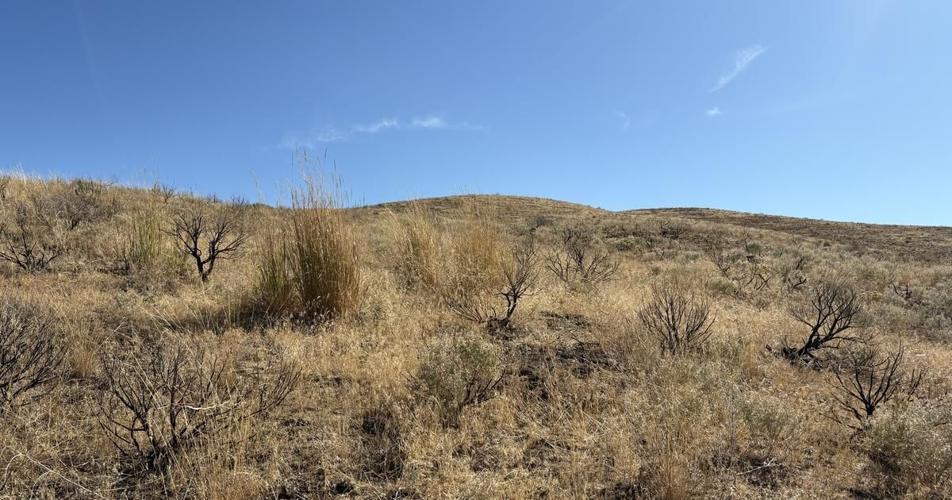
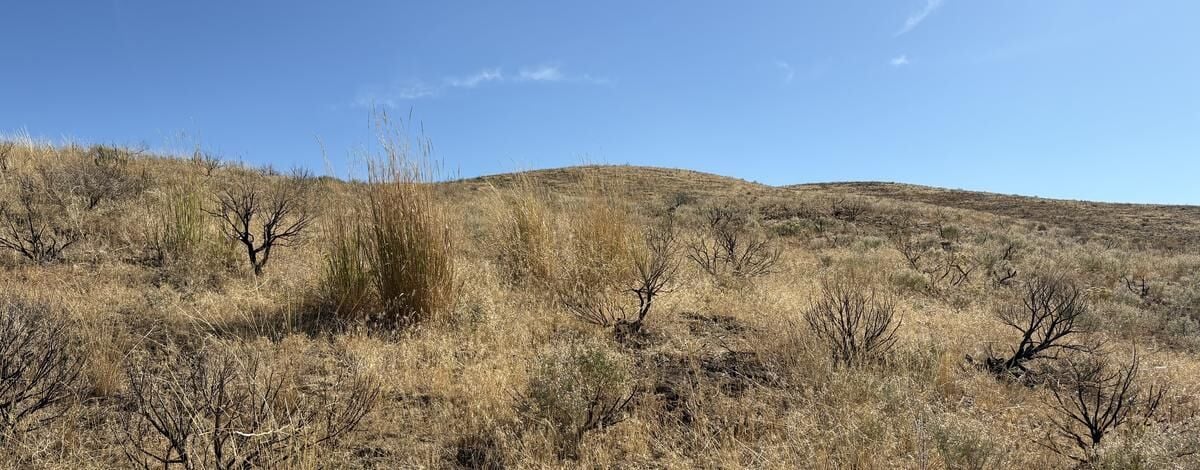
Those looking to recreate in the South Hills, Soldier, and Smoky Mountains may see a low-flying helicopter applying pre-emergent herbicide to hillsides in game management units 43, 44, 48, and 54. The flights are a continuation of the spraying project that occurred in September.
The remaining aerial herbicide applications planned for 2026 are scheduled to begin the last week of October. Approximately 200 additional acres will be treated, with the work expected to take about one day, depending on weather conditions. Re-entry into treated areas is immediate.
Pre-emergent herbicide is an effective tool for managing invasive annual grasses. Seeds from these grasses germinate in the fall following the first moisture, making application timing critical. Applying herbicide before germination helps prevent these grasses from becoming established. The most effective application window is generally late August through early October.
Why spraying occurs in the fall
Weather patterns are more predictable, allowing spraying during low-wind conditions.
Fall precipitation helps bind the herbicide to the soil, where it can remain effective. Fall timing is also important because cheatgrass is largely dormant before green-up begins.
Treating after fire season reduces the risk of a wildfire occurring before rainfall can incorporate the herbicide into the soil, which could reduce or eliminate its effectiveness.
This content is sourced from
Magic Valley Regional Office - Idaho Fish and Game
. It reflects the author's views and has not been edited by our newsroom. It may have been generated using AI assistance.