


Visiting Cauldron Linn during an unusually low water year
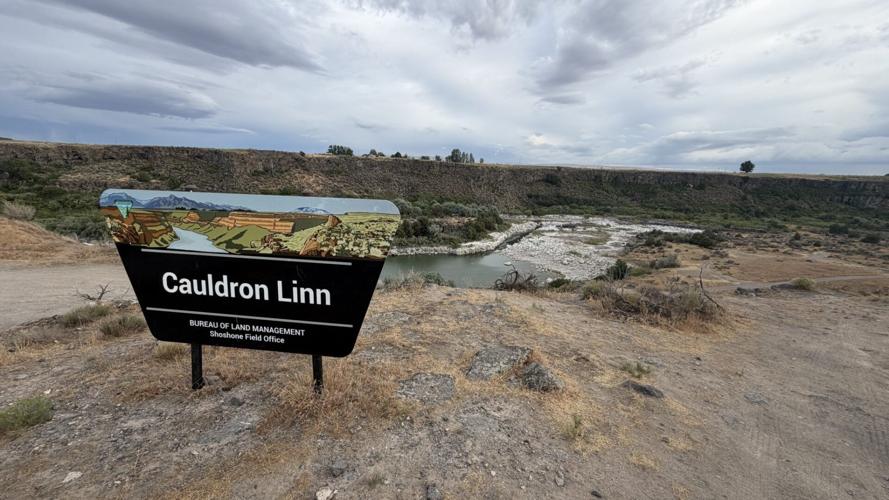
Just 30 minutes from Burley, tucked away in Jerome County, lies one of Southern Idaho’s most fascinating natural wonders: Cauldron Linn. Most people know it for its roaring Snake River rapids and powerful waterfall, but our visit happened under very different circumstances.
Following a winter with very little snowpack and near-drought conditions across Southern Idaho, the Snake River was flowing at levels that are far below what visitors typically experience. While that meant the famous waterfall wasn’t at full force, it also revealed a side of Cauldron Linn that few people ever get to see.
Getting there
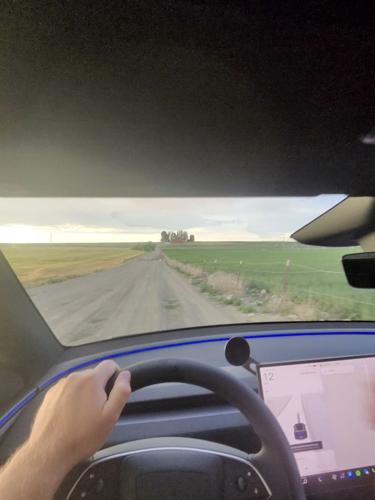
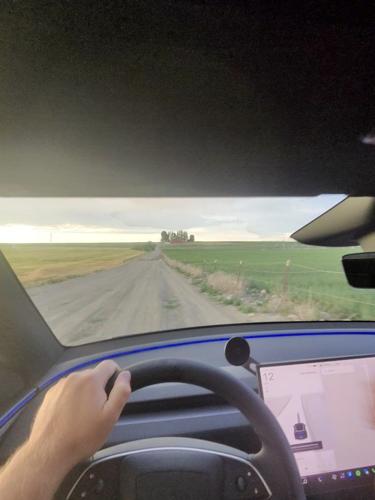
The drive itself is part of the adventure.
The main parking area is accessible via Cauldron Linn Road (spellings vary), though you’ll want to slow down. There are several potholes and rough sections along the road leading to the main parking area, but most passenger vehicles can make it without issue if you take your time.
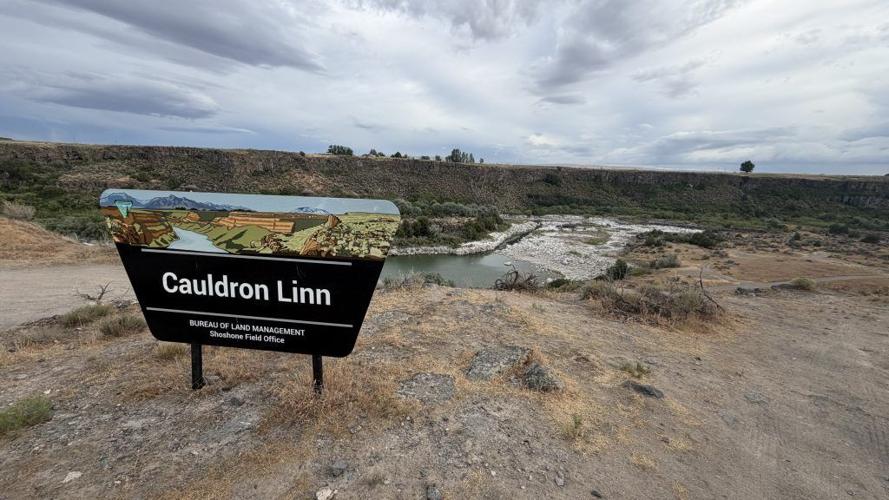
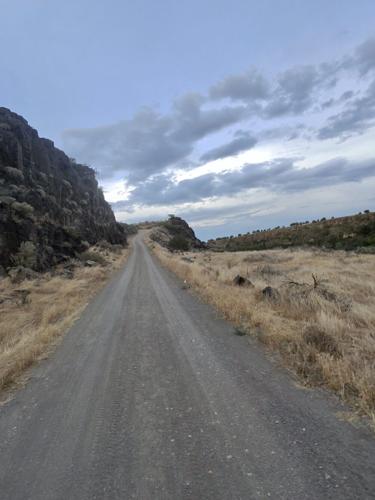
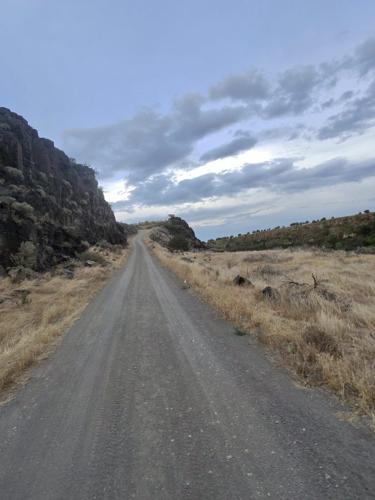
Once you reach the overlook, you’ll notice a road continuing down into the canyon. This is where vehicle choice matters.
We’d recommend high-clearance vehicles only beyond the sign at the top of the hill. The road becomes much rockier and steeper as it descends toward the river.
If you’re driving a standard passenger car, don’t worry. The walk down the road is pleasant and well worth the extra few minutes. Those with trucks or SUVs can continue farther down to shorten the hike.
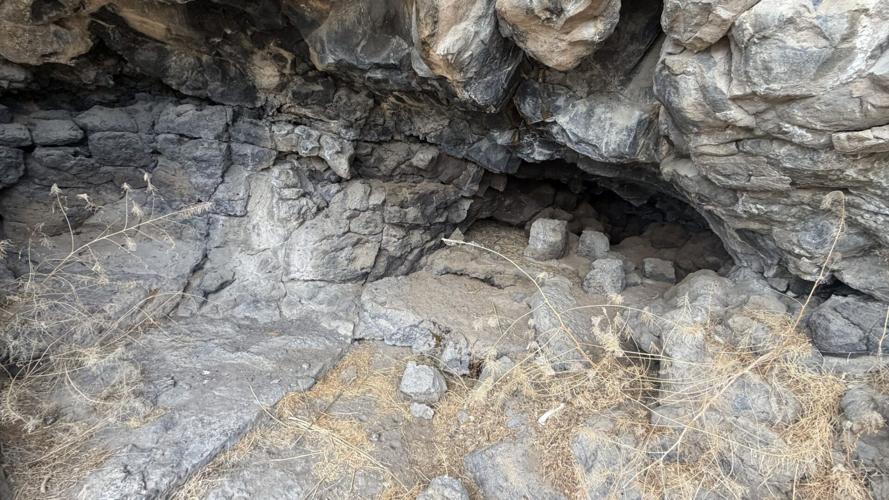
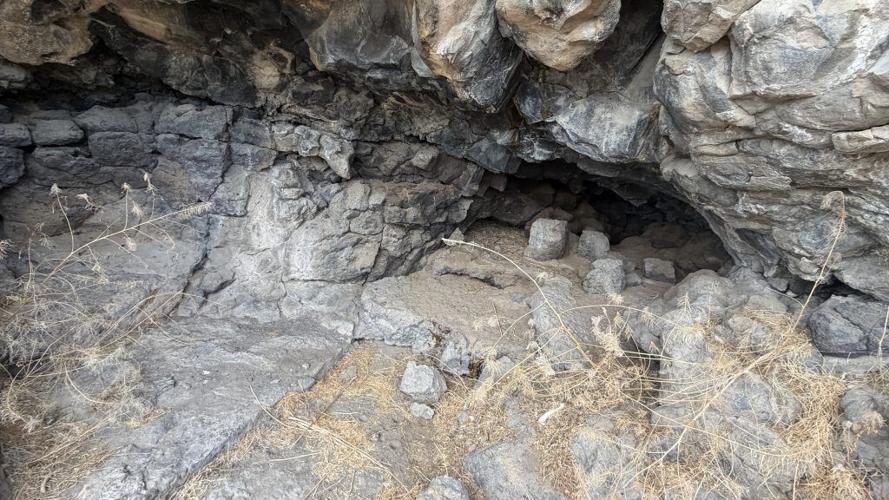
Small caves along the canyon wall
As you walk or drive down the road, you’ll pass several shallow caves tucked into the canyon walls.
They’re not massive caverns, but they’re fun to explore and provide another glimpse into the geologic forces that shaped this stretch of the Snake River.
The volcanic rock, combined with centuries of erosion, has created plenty of interesting formations throughout the canyon.
A completely different side of Cauldron Linn
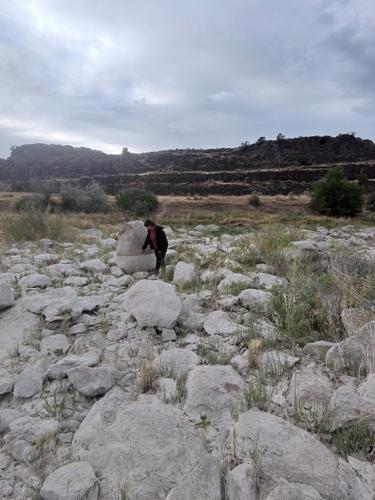
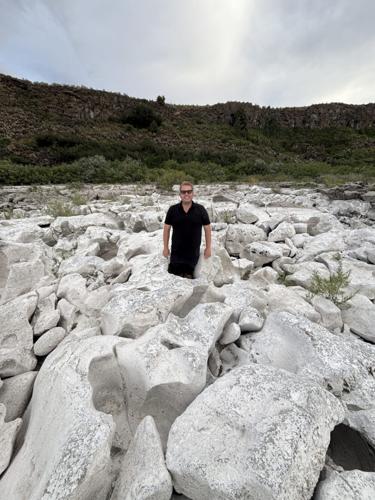
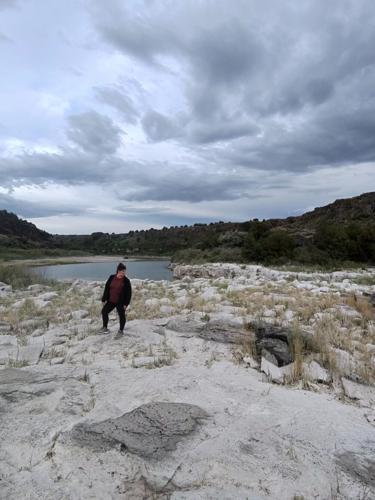
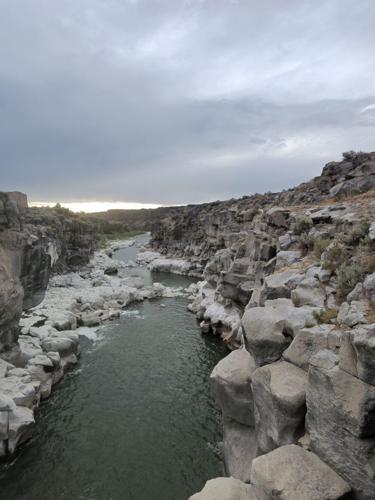
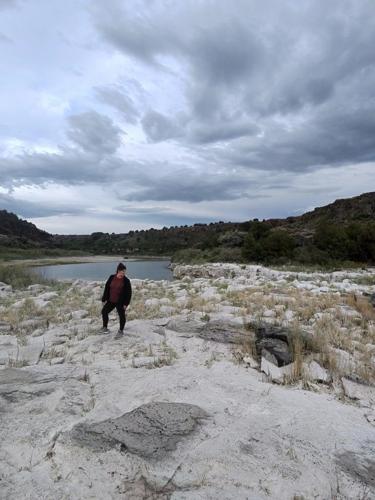
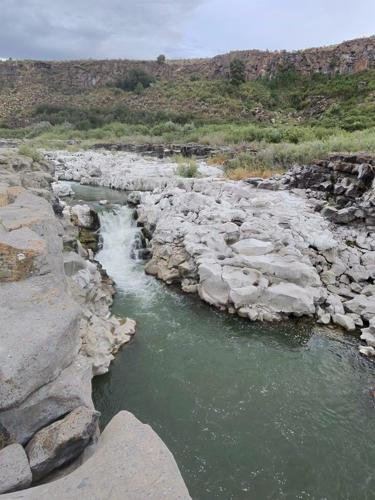
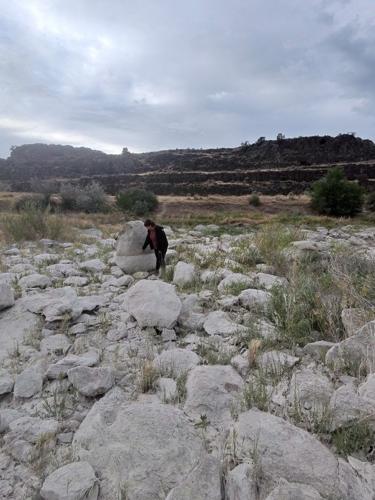
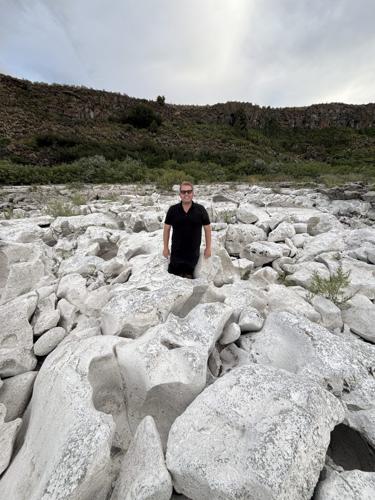
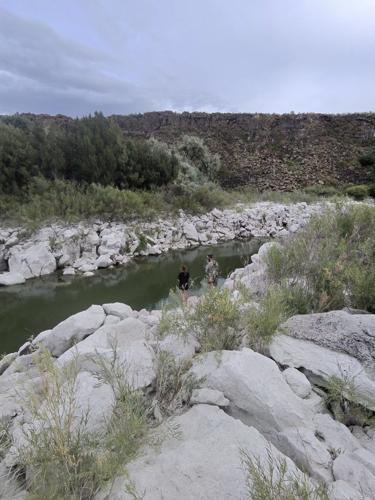
Instead, we found ourselves walking across enormous fields of smooth white rock that are normally hidden beneath the Snake River.
The contrast was incredible.
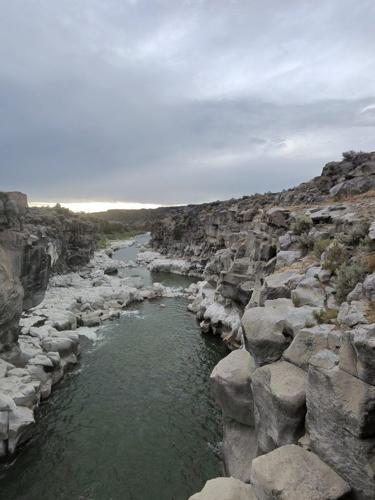
The bright white boulders stretched across the canyon floor, creating a landscape that almost looked more like another planet than Southern Idaho.
One of the most fascinating things we noticed was how clearly the rocks reveal the river’s normal water level.
Many of the canyon walls and larger boulders display distinct color changes, almost like a natural bathtub ring. The darker rock shows where the Snake River typically flows during normal years, while the bright white stone below has only recently been exposed.
It’s a remarkable reminder of just how different this year has been.
Hidden features usually covered by water
Low water brought another surprise.
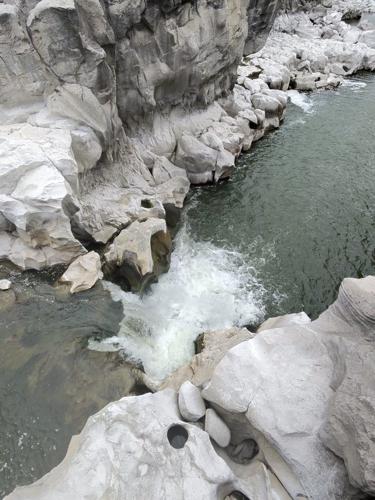
Across the white limestone were countless rounded erosion holes carved by centuries of swirling water and sediment. Some were only a few inches across while others were large enough to stand inside.
Normally, these formations remain underwater and hidden from view.
We spent quite a bit of time simply hopping from rock to rock, exploring these natural sculptures and imagining what the canyon must look like during spring runoff.
The waterfall was smaller — but still worth the trip
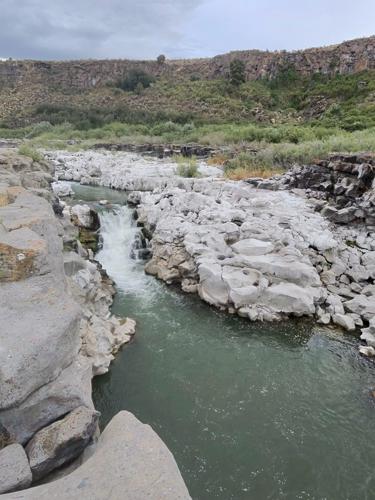
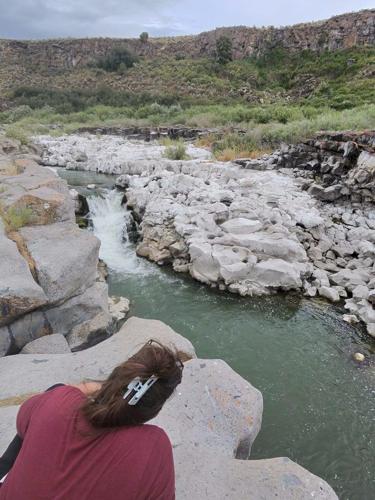
With lower flows, the waterfall itself wasn’t nearly as thunderous as photos from high-water years.
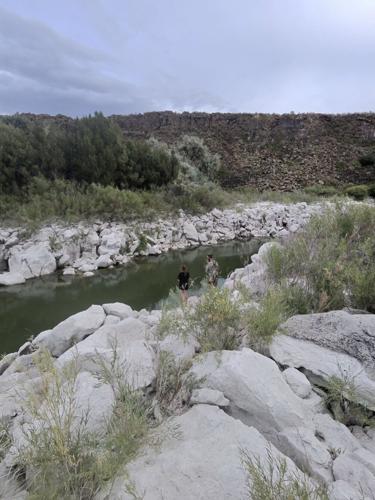
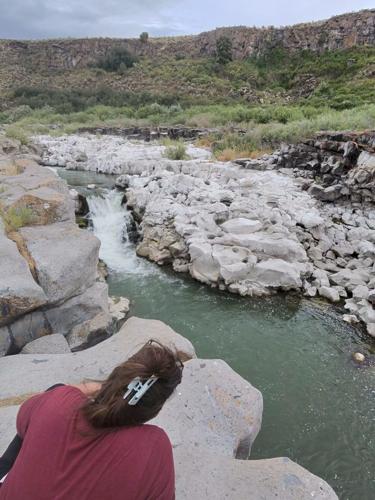
Instead of a roaring wall of water, several narrower falls dropped into deep green pools below.
Ironically, the lower flow made it much easier to safely appreciate the falls from multiple viewpoints. We found ourselves scrambling across rocks, discovering new angles, and enjoying the experience of exploring the canyon just as much as watching the water.
Life along the river
Even with reduced flows, the Snake River was full of activity.
We spotted several people fishing along the shoreline, taking advantage of the calmer conditions. The green pools winding through the white rock created peaceful scenes that were hard to leave behind.
Every water level tells a different story
If you visit Cauldron Linn during spring runoff, you’ll witness one of Idaho’s most powerful stretches of river.
If you visit during an unusually dry year like we did, you’ll experience something entirely different.
You’ll see hidden rock formations, erosion holes, exposed canyon features, caves, and opportunities to explore parts of the landscape that are normally underwater.
Neither experience is better than the other — they’re simply different.
That’s part of what makes Cauldron Linn such a remarkable place. The Snake River is constantly changing, and every visit offers something new.
Whether the river is roaring over the falls or quietly weaving through fields of white stone, this hidden gem in Jerome County is absolutely worth adding to your Southern Idaho adventure.


