
Cooler mornings and shorter days mean winter isn’t far behind. Before temperatures drop and snow begins to accumulate, now is the time to make sure your home, including natural gas equipment, is ready for the season ahead.
Don’t Wait for the First Snow
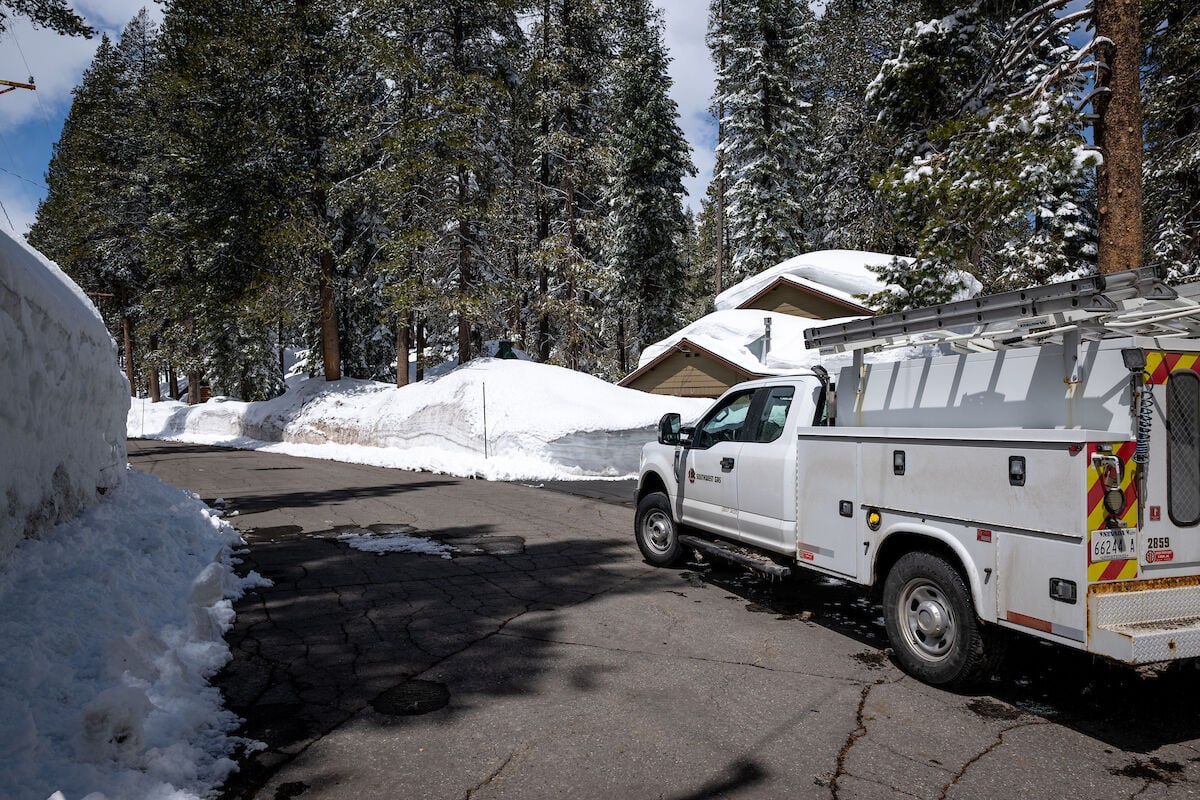
In areas that experience heavy snowfall, winter preparation starts outside before the snowy season begins.
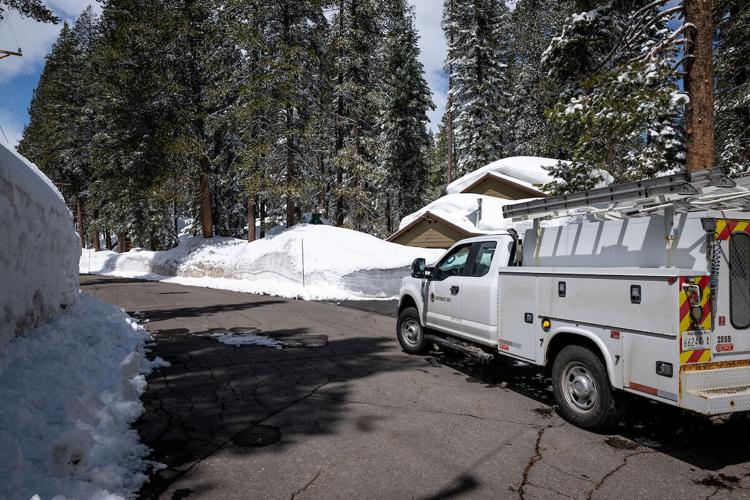
Snow and ice can place significant weight on natural gas meters, regulators, and surrounding piping, potentially damaging equipment and creating safety concerns. Snow sliding from a roof or building up around a meter can also put infrastructure at risk.
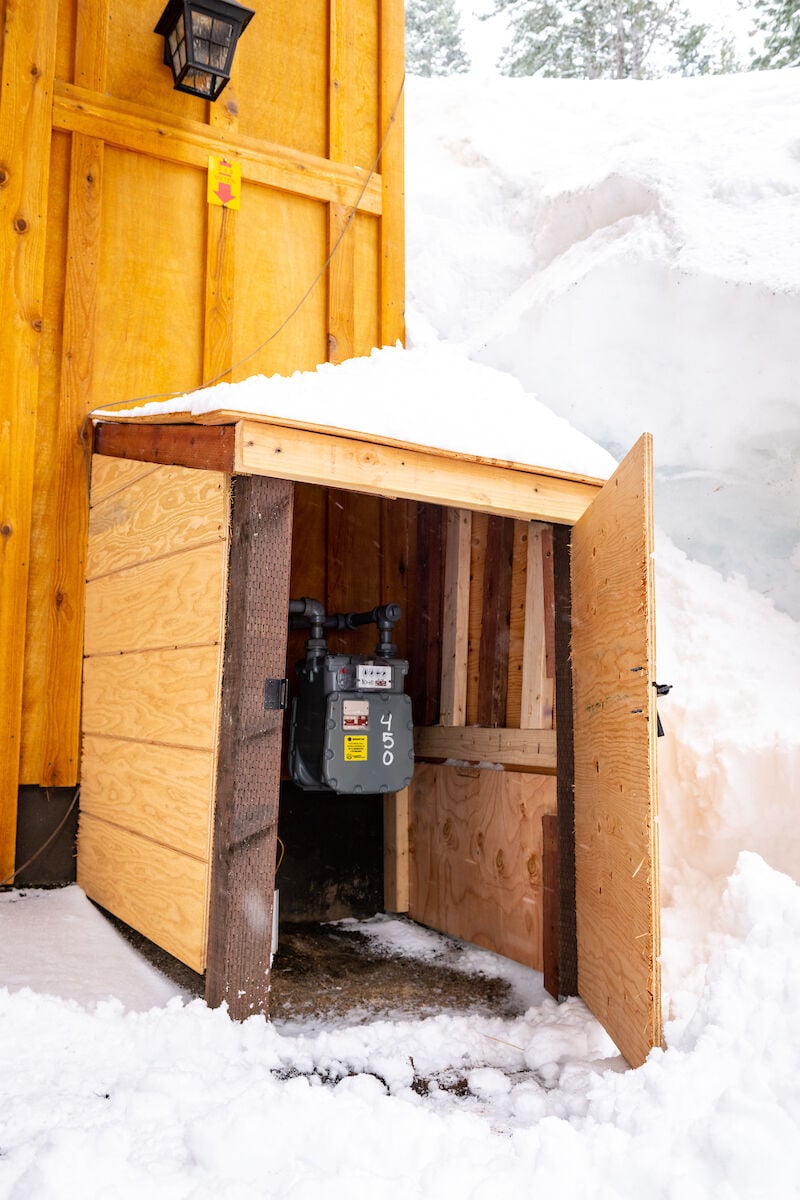
That’s why Southwest Gas encourages customers in heavy snowfall areas to install a structurally engineered snow shelter.
A properly installed shelter helps prevent snow and ice from accumulating directly on natural gas equipment and reduces the potential for damage that could interrupt service used for heating, cooking, hot water, and other everyday needs.

For the safety of customers and the community, Southwest Gas will suspend service if damage from snow or ice is discovered at a natural gas meter or surrounding piping. Service can be restored once snow and ice have been cleared, adequate meter protection has been installed, and applicable local requirements have been met.
Clear It Carefully
Even with a snow shelter in place, keeping the area around natural gas equipment clear is important.
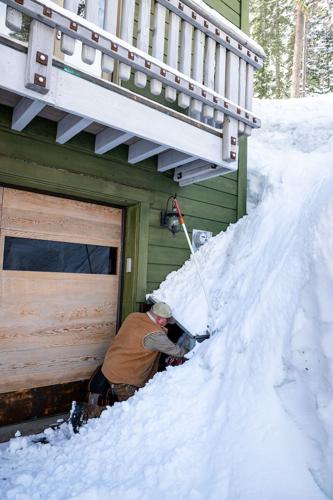
When possible, use a broom to gently remove snow and ice from meters, regulators, and outdoor appliances.
When shoveling, plowing, or using a snow blower, avoid piling snow on or around the meter. Customers should also be aware of snow and ice accumulating on rooftops or gutters above natural gas equipment.
Natural gas appliances require proper exhaust and ventilation. It’s important to know the location of air supply and exhaust ducts, and keep them free of snow, ice, leaves, or other debris. Keeping vents clear can prevent operational problems for appliances and the accumulation of carbon monoxide in buildings.
Give Your Heating System a Checkup
Preparing for winter isn’t only about what happens outside.
Fall is also a good time to have natural gas appliances and heating equipment inspected by a licensed professional. Southwest Gas does not perform appliance inspections, but customers can find licensed contractors through the company’s Contractor Referral Program.
From October 1 through November 30, customers can also take advantage of a $100 Residential Home Heating Inspection per unit from a participating licensed contractor.
Know the Signs of a Natural Gas Leak
Winter preparedness also means knowing what to do in an emergency.
A natural gas leak may be indicated by a distinct sulfur-like odor, similar to rotten eggs, even if it’s faint or momentary; a hissing or roaring sound coming from the ground or aboveground pipeline; or seeing dirt or water blowing in the air, unexplained dying vegetation; or standing water continuously bubbling.
If you suspect a natural gas leak, leave the area immediately and, from a safe place, call 911 and Southwest Gas at 877-860-6020.
For snow shelter information and additional natural gas safety resources, visit swgas.com.